Inclusion Isn’t Scary Halloween Design: A Unique Approach to Festive Creativity
The concept of Inclusion Isn’t Scary Halloween Design represents a thoughtful and inclusive approach to holiday-themed creativity. Unlike traditional Halloween designs that often emphasize fear or spooky imagery, this style focuses on celebrating diversity, acceptance, and community. It’s a design philosophy that encourages people of all backgrounds to feel welcome and represented during the Halloween season.
What makes Inclusion Isn’t Scary Halloween Design distinct is its emphasis on positivity and representation. Rather than relying on typical horror elements like ghosts, witches, or monsters, this design style incorporates symbols of unity, cultural heritage, and personal expression. It’s an opportunity for individuals and businesses to create content that resonates with a broader audience while maintaining the fun and festive spirit of Halloween.
Understanding the Key Features of Inclusion Isn’t Scary Halloween Design
Inclusion Isn’t Scary Halloween Design typically includes a range of visual elements that promote inclusivity. These can include diverse character representations, multilingual text, and imagery that reflects various cultures, identities, and lifestyles. The design often uses bold typography, vibrant colors, and playful layouts to convey a sense of joy and belonging.
This style is particularly appealing to those who want to make a statement without alienating others. For example, a design might feature a pumpkin with a smiling face alongside a rainbow flag, symbolizing both Halloween and LGBTQ+ pride. Such combinations help bridge the gap between traditional Halloween themes and modern values of acceptance.
Another key aspect of Inclusion Isn’t Scary Halloween Design is its adaptability. It can be applied to a wide variety of formats, including t-shirts, mugs, stickers, and digital graphics. This versatility makes it a popular choice for artists, designers, and small businesses looking to create products that appeal to a diverse customer base.
Comparing Inclusion Isn’t Scary Halloween Design With Traditional Halloween Styles
When compared to traditional Halloween designs, Inclusion Isn’t Scary Halloween Design offers a different perspective. While classic Halloween art often relies on dark, eerie, or unsettling visuals, this alternative focuses on warmth, celebration, and connection. It’s not about avoiding the spooky elements of Halloween but rather reinterpreting them in a way that feels more welcoming and inclusive.
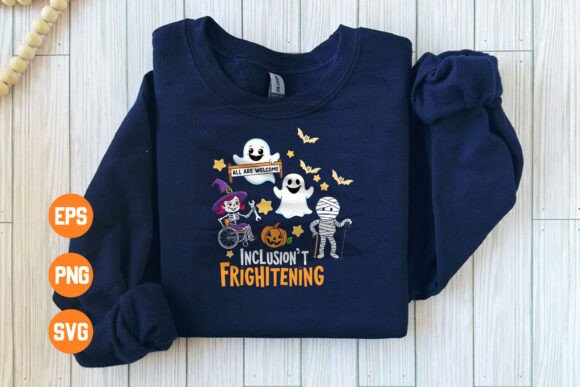
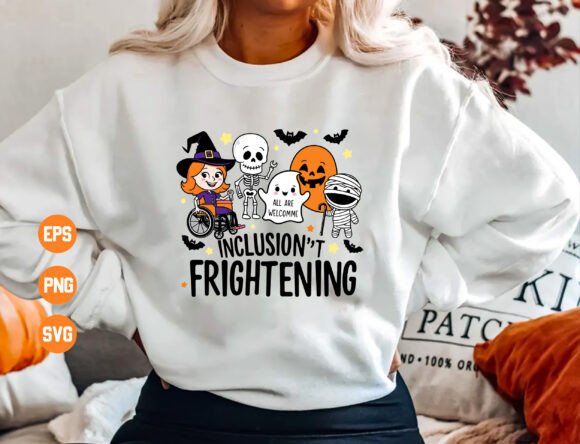
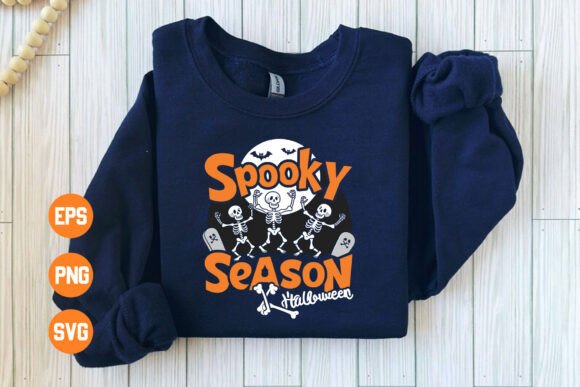
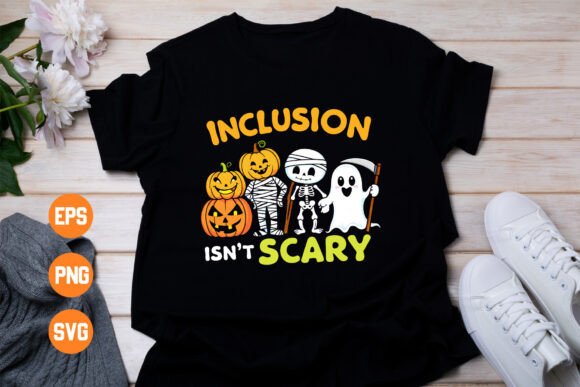
For instance, a traditional Halloween t-shirt might feature a skeleton wearing a hat, while an Inclusion Isn’t Scary version could show a group of diverse characters enjoying a Halloween party. Both designs are valid, but they cater to different audiences and messages. The latter may be more suitable for events or communities that prioritize inclusivity and positivity.
There are also differences in how these designs are used. Traditional Halloween designs are often used for costume parties, trick-or-treating, or themed decorations. In contrast, Inclusion Isn’t Scary Halloween Design can be integrated into everyday items, such as clothing, stationery, and home decor, making it a more versatile option for long-term use.
Best Fit Situations for Inclusion Isn’t Scary Halloween Design
Inclusion Isn’t Scary Halloween Design is ideal for individuals and organizations that want to celebrate Halloween while promoting a message of acceptance. It works well for schools, community centers, and nonprofits that aim to foster inclusivity through creative expression. It can also be a great fit for businesses looking to connect with customers who value diversity and social responsibility.
This design style is especially effective when used in print-on-demand products. Whether it’s a t-shirt, mug, or poster, the design can be easily customized and shared across multiple platforms. The availability of files in formats like EPS, PNG, and SVG ensures that users can modify and apply the design to different materials without compromising quality.
It’s also beneficial for creators who want to reach a wider audience. By incorporating elements that reflect different cultures, identities, and experiences, the design becomes more relatable and engaging. This can lead to increased interest and sales, particularly among consumers who are looking for meaningful and representative content.
Limitations and Tradeoffs to Consider
While Inclusion Isn’t Scary Halloween Design has many advantages, it may not be the best choice for every situation. Some audiences may prefer more traditional Halloween aesthetics, especially those who associate the holiday with specific themes like horror, mystery, or folklore. In such cases, a more conventional design might be more effective at capturing the intended mood or message.
Additionally, the focus on inclusivity can sometimes limit the scope of the design. For example, a design that aims to represent multiple cultures or identities may become visually complex or difficult to interpret. Striking the right balance between representation and clarity is essential to ensure the design remains accessible and impactful.
Another consideration is the target market. If the goal is to sell to a niche audience that values traditional Halloween imagery, then Inclusion Isn’t Scary Halloween Design may not align with their expectations. However, for those seeking to build a more inclusive brand or community, this style can be a powerful tool for engagement and connection.
Practical Applications and Realistic Examples
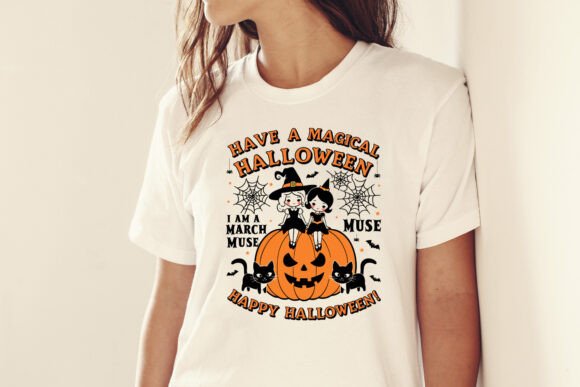
One practical application of Inclusion Isn’t Scary Halloween Design is in the creation of custom t-shirts. These can be used for school events, community gatherings, or personal expression. A design featuring a pumpkin with a smiley face and a message like “Inclusion Isn’t Scary” can serve as a conversation starter and a symbol of positive values.
Another example is the use of the design in digital marketing. Social media posts, email newsletters, and website banners can incorporate the design to promote inclusivity and awareness. This can help businesses build a stronger relationship with their audience while reinforcing their commitment to diversity and acceptance.
The design can also be used in educational settings. Teachers and educators can incorporate it into lesson plans, classroom decorations, or student projects to teach about cultural awareness and social inclusion. It provides a creative and engaging way to introduce important topics in a fun and accessible manner.
Deciding When Inclusion Isn’t Scary Halloween Design Is Right for You
Choosing whether to use Inclusion Isn’t Scary Halloween Design depends on your goals, audience, and values. If you’re looking to create something that promotes positivity, diversity, and community, then this design is a strong option. It can help you stand out in a crowded market and connect with customers who share your vision.
However, if your primary objective is to create a traditional Halloween experience, you may need to consider other design styles. It’s important to evaluate what message you want to convey and how your audience will respond to it. Testing different designs and gathering feedback can help you make an informed decision.
Ultimately, Inclusion Isn’t Scary Halloween Design offers a unique and meaningful way to celebrate the holiday. Whether you’re a designer, a business owner, or an individual looking for creative inspiration, this style provides an opportunity to express yourself in a way that is both festive and inclusive.